I was invited to Ukraine to climb Mount Hoverla alongside a group of Ukrainian veterans living with life changing injuries. It was an honour to be asked and a privilege to stand beside them on their country’s highest mountain.
We arrived as former British service personnel, but the connection between us was immediate. Different uniforms, different wars and different injuries mattered less than the shared understanding of what service can demand and what life asks of you afterwards.
A mountain with a deeper purpose
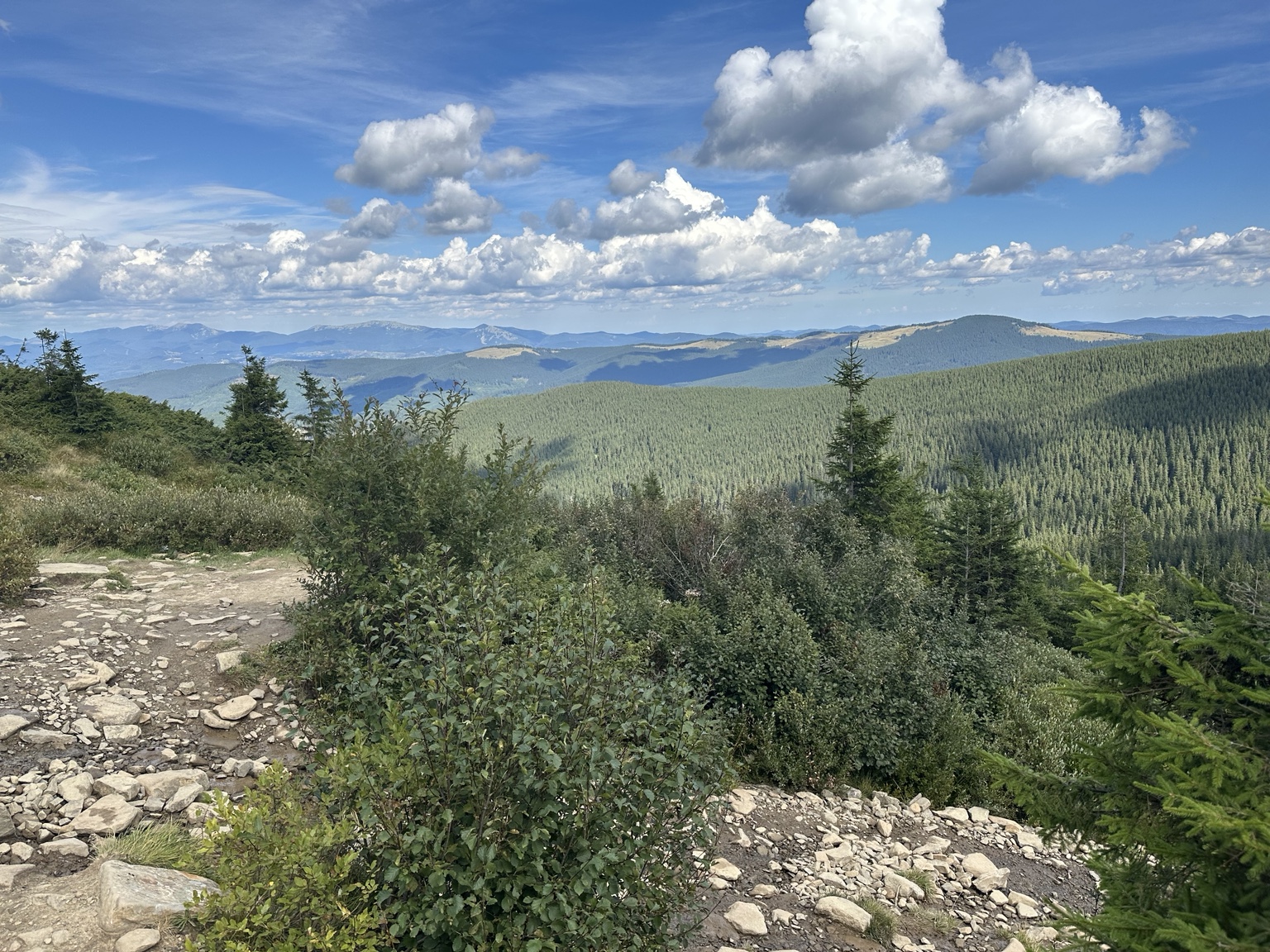
Hoverla rises to 2,061 metres in the Ukrainian Carpathians. Yet the height was only part of the challenge. For the men climbing that day, every step carried the reality of injuries sustained in the continuing defence of their country.
Among them was Oleksii, an above knee amputee whose injury makes steep mountain movement exceptionally demanding. He climbed to just below the summit. That final distance did not diminish what he had done. The achievement was in every deliberate step and in his determination to show other injured veterans that life continues beyond injury.
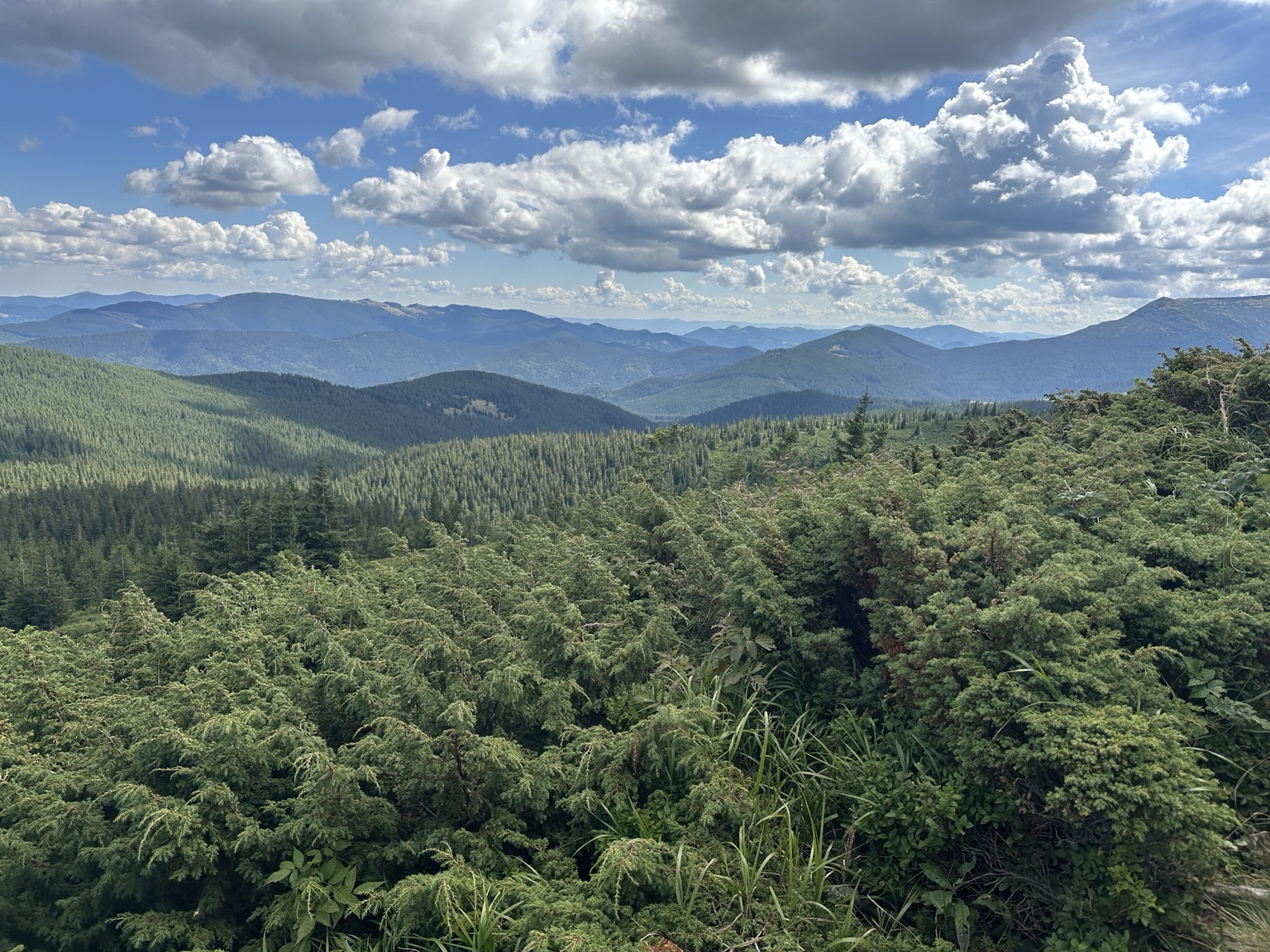
The mountain did not ask what any of us had lost. It asked only what we were prepared to give to the next step.
Carrying Stanislav
I carried a flag bearing the name and photograph of Oleksii’s brother, Stanislav, who was killed in the war four days after his thirty second birthday. Carrying it transformed the climb. It was no longer simply an act of solidarity with the living, but an act of remembrance for somebody who should have been there.
As a former Royal Marine, that responsibility felt deeply personal. The distance between survival and loss in war is often painfully small. It could easily have been my brother carrying a flag for me. To carry Stanislav’s in his honour was a service I will not forget.
Resilience is something you do
The experience captured something at the heart of my work with Vanguard Resilience Coaching: resilience is not an abstract idea, nor is philosophy. It is something you do.
It appears in the decision to begin, in the willingness to accept support and in the discipline to focus on the ground immediately in front of you. The mountain strips away theory. Fatigue, uncertainty and discomfort make the present moment unavoidable.
Marcus Aurelius wrote: “Waste no more time talking about what a good man should be. Be one.” On Hoverla, I was surrounded by people doing precisely that: living with courage, honouring those they had lost and refusing to let injury decide what came next.
What comes next
I returned home grateful for the friendship and hospitality we were shown, but also with a responsibility to make the climb more than a single occasion. The relationships formed on Hoverla deserve to be carried forward through future mountain days, coaching and practical support for Ukraine’s injured veterans.
We reached the mountain together. The important work is continuing to move forward together after we have come down.
← Back to the journal